Pagoda directory by province
3395 pagodas, temples and monasteries in 34 provinces.
AllAn Giang (133)Bắc Ninh (203)Cà Mau (11)Cao Bằng (4)Cần Thơ (120)Đà Nẵng (62)Đắk Lắk (17)Điện Biên (2)Đồng Nai (228)Đồng Tháp (67)Gia Lai (41)Hà Nội (630)Hà Tĩnh (6)Hải Phòng (117)Huế (31)Hưng Yên (69)Khánh Hòa (108)Lai Châu (5)Lạng Sơn (3)Lào Cai (14)Lâm Đồng (72)Nghệ An (6)Ninh Bình (91)Phú Thọ (34)Quảng Ngãi (13)Quảng Ninh (43)Quảng Trị (7)Sơn La (3)Tây Ninh (140)Thái Nguyên (18)Thanh Hóa (10)TP. Hồ Chí Minh (1018)Tuyên Quang (12)Vĩnh Long (57)
Quảng Ninh (43)

Chùa Ba Vàng
Ba Vàng Pagoda (also known as Bảo Quang Tự) is a pagoda located halfway up Thành Đẳng Mountain, in Uông Bí ward, Quảng Ninh province.
🏯
Chùa Cảnh Huống
Cảnh Huống Pagoda (the name means 'Pagoda of Beautiful Scenery') is a pagoda located in Đồn Sơn, Hoàng Quế ward, Quảng Ninh province (formerly: Yên Đức ward, Đông Triều city, Quảng Ninh, Vietnam). This is an ancient pagoda dating back to the Trần dynasty (12th–14th centuries). The pagoda is associated with the legend of King Trần Nhân Tông, who, after leading the people to victory against the invading forces for the second time at the Bạch Đằng River, came here to establish and serve as abbot of the pagoda, and inscribed poetry on the cliff face.
Over the course of wars, the pagoda was destroyed many times. The largest restoration was during the Lê dynasty in 1664. The pagoda was once used as a revolutionary base during the resistance against the French, and as a place to care for wounded soldiers during the resistance against the Americans. The pagoda is set amidst picturesque mountains and covers an area of 36,000 m², consisting of three worship halls. Local people often come here to make offerings, pray for good things for their families and loved ones, and pray for favourable weather and bountiful harvests.
To the right of the pagoda is a single-roofed ancestral temple (đền thờ tổ, 'ancestral temple'), which was renovated in 1987. Inside, there is a stele inscribed with the names of eight founding ancestors who contributed to the establishment of the village.
Next to the ancestral temple is the 'Immortal's Chessboard' (bàn cờ Tiên) under a large rock that forms a wide sheltering roof, with a chessboard carved into a stone slab inside. According to legend, two immortals often descended here to play chess, and later this became a place for the village elders to play chess.
In 1993, the complex of scenic spots and relics of Cảnh Huống Pagoda and Hang 73 was recognised as a National Historical and Cultural Site.

Chùa Đồng
Chùa Đồng, also known as Thiên Trúc Tự (天竺寺 – the Pagoda of the Buddha Realm), is a pagoda situated at the highest peak of the Yên Tử range (1,068 metres). This is the largest bronze pagoda on a mountaintop in Asia.

Chùa Hà Giang
Hà Giang Pagoda (also known as Hà Lôi Pagoda; Chinese name: 河源寺; Sino-Vietnamese reading: Hà Nguyên Tự) is an ancient pagoda located in Đông Triều ward, Quảng Ninh province (formerly: Đức Chính ward, Đông Triều city, Quảng Ninh province).
In addition to worshipping the Buddha, the pagoda also venerates the four village tutelary deities (Thành hoàng) of Hà Lôi village: Trần Triều Bảo Huệ Quốc Mẫu, Trần Triều Bảo Từ Hoàng Thái Hậu, Văn Huệ Thái Trưởng Princess, and Thượng Trân Princess.
The pagoda has been included in the inventory and classification of heritage sites, but has not yet been officially ranked, according to the following decisions by the People's Committee of Quảng Ninh province: Decision No. 2459/QĐ-UBND, dated 14 August 2009 of the Quảng Ninh Provincial People's Committee; Decision No. 789/QĐ-UBND dated 26 March 2015 of the Provincial People's Committee; and Decision No. 3929/QĐ-UBND regarding the approval of the List of Historical - Cultural Sites and Scenic Spots in Quảng Ninh province.

Chùa Hồ Thiên
Hồ Thiên Pagoda (formal name: Trù Phong Tự) is located on the slope of Phật Sơn Mountain, part of the Yên Tử mountain range, within Bình Khê ward, Quảng Ninh province. Hồ Thiên Pagoda was built during the Trần dynasty and was recognised as a national historical and cultural relic by the Ministry of Culture, Sports and Tourism of Vietnam on 29 May 2006, according to Decision No. 55/2006/QĐ-BVHTT.
Hồ Thiên Pagoda is situated halfway up the southern side of Phật Sơn Mountain, surrounded by mountains at the back and on both sides, with a hill in front forming a blessed land in the middle. The pagoda was erected during the period from when the Second Patriarch Pháp Loa succeeded the First Patriarch until the end of his life (1307–1330). This pagoda is one of the relics from the same era, related to a series of other Trần dynasty sites associated with the Trúc Lâm Three Patriarchs in Quảng Ninh, such as Yên Tử Pagoda, Ngoạ Vân Pagoda, and Quỳnh Lâm Pagoda.
A. Current State: The Hồ Thiên Pagoda complex consists of two parts:
1. The ancient relic section: Structures and vestiges remaining from the feudal era
1.1 The ancient pagoda foundation with green stone column bases, stone gutters, etc., identified as dating from the Trần dynasty
1.2 The stupa garden with a seven-storey green stone stupa with Buddha statues enshrined on all four sides (restored), a patriarch stupa built of brick on a green stone base carved with stylised lotus petals (relatively intact), and three similar stone stupa bases
1.3 The stele house made of green stone
1.4 The old pagoda building made of brick, dating from the Nguyễn dynasty
1.5 The thất garden with traces of an ancient foundation protected by a stone embankment
1.6 Hàm Rồng Hermitage with remains of an ancient foundation and some green stone column bases. This hermitage is located near the mountain summit.
2. The newly built section serving the daily and monastic needs of the pagoda
2.1 The main hall for worshipping the Triple Gem, conducting ceremonies, and meditation
2.2 The central area including the laypeople's residence, kitchen, dining hall, guest house, and rest stop
2.3 The abbot's thất: including the abbot's residence and reception area
2.4 The auxiliary pagoda area in front of the stele house, including accommodation for female Buddhists and a stilt house providing free services for tourists
B. Personnel and Activities
The abbot of the pagoda is Zen Master Thích Đạt Ma Chí Thông.
Religious activities at the pagoda are maintained according to the tradition of the Trúc Lâm Yên Tử Zen school.
Festivals: Hồ Thiên Pagoda does not have an official festival. The main and important annual ceremonies at the pagoda include:
1. The full moon of the first lunar month (15th day of the 1st lunar month). On this day each year, the local authorities organise for people to visit the pagoda to worship the Buddha and sightsee, while the pagoda organises a peace-praying ceremony and offers free vegetarian meals.
2. Memorial day of Patriarch Huyền Quang
3. Memorial day of Patriarch Pháp Loa
4. Memorial day of Patriarch Trần Nhân Tông (Trúc Lâm Đại Đầu Đà)
In addition, the pagoda also organises major Vietnamese Buddhist festivals such as Buddha's Birthday (Phật Đản) and Vu Lan (Ullambana).
C. Other Information
There are various explanations for the name of the pagoda (and mountain) Hồ Thiên. On certain special winter days, after heavy showers, thick fog fills the surrounding valleys, making the landscape as seen from the pagoda resemble islands rising from a lake in mid-air.
Hồ Thiên Pagoda is one of the scenic sites of the Yên Tử region.
🏯
Chùa Lôi Âm
Lôi Âm Pagoda is a famous ancient pagoda in Quảng Ninh, renowned for its beautiful scenery and sacred atmosphere.
🏯
Chùa Nam Thọ
Nam Thọ Pagoda (also known as Khánh Linh Tự), located in Trà Cổ Ward, Móng Cái City, Quảng Ninh Province, is one of the religious architectural works built in 1775 during the Cảnh Hưng era of the Later Lê dynasty. At present, the pagoda still preserves a whole system of precious Buddha statues, intricately and meticulously carved, representing different periods, all deeply imbued with the cultural identity of the Vietnamese people. The pagoda courtyard is shaded year-round by centuries-old banyan and chay trees, creating a very tranquil and peaceful space. Nam Thọ Pagoda is classified as a national-level relic of the architectural and artistic type. Main festival days (according to the lunar calendar):
01/01: Mother Goddess Festival
09/01: Jade Emperor Festival
09/02: Avalokiteśvara Bodhisattva Festival
15/04: Buddha's Birthday
19/09: Avalokiteśvara Bodhisattva Festival
17/11: Amitābha Buddha Festival
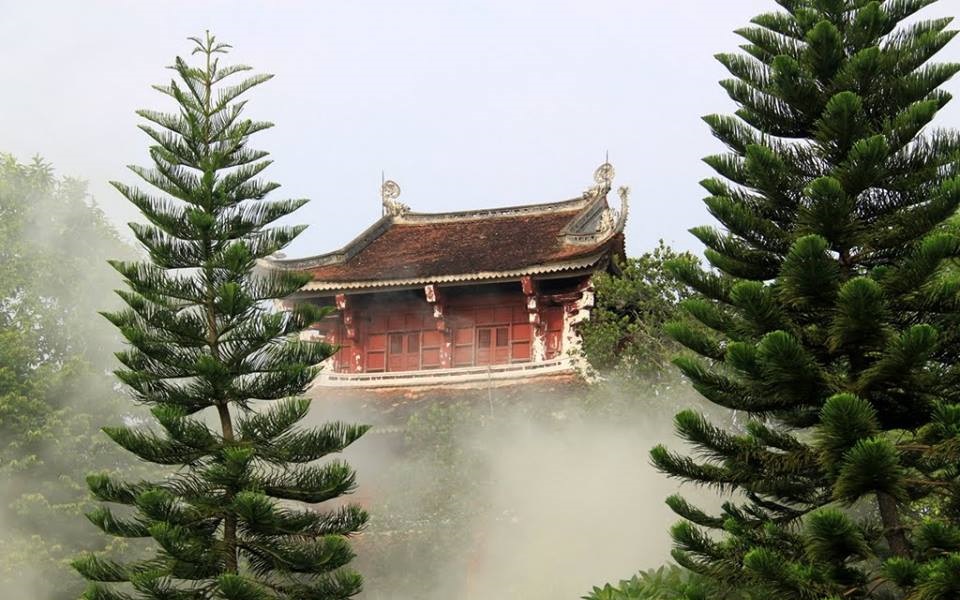
Chùa Quỳnh Lâm
Quỳnh Lâm Pagoda (Chinese characters: 瓊林寺, Sino-Vietnamese pronunciation: Quỳnh Lâm tự) is a famous ancient pagoda in Quảng Ninh, located within the Trần Dynasty Relics Site in Đông Triều.
🏯
Chùa Vạn Linh Khánh
Vạn Linh Khánh Pagoda, located in the Nam Thọ area, Trà Cổ ward, is one of the most representative heritage sites of Móng Cái city and was classified as a National Artistic Monument by the Ministry of Culture and Information in 1999.
The exact date of construction of Vạn Linh Khánh Pagoda is unclear. According to the inscription on a bronze bell recast in the 3rd year of Thiệu Trị (1843), it is mentioned that in the 15th year of Cảnh Thịnh, during the reign of King Lê Hiển Tông (1754), there already existed Linh Khánh Tự. In the summer of 2018, the main pagoda, on a large scale, was being rebuilt with large concrete pillars.
Vạn Linh Khánh Pagoda is composed of the following main structures: Tam quan (three-entrance gate), Nhà Tổ (Ancestral Hall), Nhà Mẫu (Mother Goddess Hall), and Nhà Khách (Guest House). Over time, the pagoda has undergone many restorations, and traces from the Lê dynasty no longer remain. However, the pagoda still preserves a fairly complete collection of worship objects and Dharma statues: a system of 53 ancient statues supplemented over various periods. Notably, there are 4 statues of the infant Shakyamuni, 2 statues of Quan Âm Tống tử (Child-bestowing Avalokiteśvara), and 2 small statues of the Three Buddhas (Tam thế).
Every year, at the Nam Thọ pagoda heritage site, many festivals are held, attracting a large number of Buddhist followers and visitors, such as the Shakyamuni Buddha Festival (8th of the 4th lunar month), Vu Lan Festival (7th lunar month), and Amitabha Buddha Festival (17th of the 11th lunar month), among others.

Khu di tích nhà Trần tại Đông Triều
The Trần Dynasty Relic Site at Đông Triều, Quảng Ninh Province, has been designated by the Prime Minister of Vietnam as a particularly important national relic. This is one of the most significant sites of the Trần Dynasty, situated in the ancestral homeland, where the Trần Ancestral Temple (Thái miếu nhà Trần) and the tombs of the Trần kings and royal family are preserved, alongside other sites such as the Bạch Đằng Victory relics and Trúc Lâm Yên Tử. The site includes two main relics: the Trần Ancestral Temple and Ngoạ Vân Pagoda, both of which are part of the Yên Tử – Vĩnh Nghiêm – Côn Sơn, Kiếp Bạc Complex of Relics and Scenic Spots, which has been recognised as a UNESCO World Heritage Site since 2025.
🏯
Chùa Bảo Sái
Chùa Bảo Sái is a Buddhist pagoda in Quảng Ninh, Vietnam. Its location comes from OpenStreetMap community data; further details will be added when reliable sources become available.

Chùa Cái Bầu
Chùa Cái Bầu is a Buddhist pagoda in Quảng Ninh, Vietnam. Its location comes from OpenStreetMap community data; further details will be added when reliable sources become available.
🏯
Chùa Giải Oan
Chùa Giải Oan is a Buddhist pagoda in Quảng Ninh, Vietnam. Its location comes from OpenStreetMap community data; further details will be added when reliable sources become available.
🏯
Chùa Hoa Yên
Chùa Hoa Yên is a Buddhist pagoda in Quảng Ninh, Vietnam. Its location comes from OpenStreetMap community data; further details will be added when reliable sources become available.
🏯
Chùa Linh Sơn
Chùa Linh Sơn is a Buddhist pagoda in Quảng Ninh, Vietnam. Its location comes from OpenStreetMap community data; further details will be added when reliable sources become available.
🏯
Chùa Lôi Âm Hạ
Chùa Lôi Âm Hạ is a Buddhist pagoda in Quảng Ninh, Vietnam. Its location comes from OpenStreetMap community data; further details will be added when reliable sources become available.
🏯
Chùa Minh Tâm
Chùa Minh Tâm is a Buddhist pagoda in Quảng Ninh, Vietnam. Its location comes from OpenStreetMap community data; further details will be added when reliable sources become available.
🏯
Chùa Một Cột
Chùa Một Cột is a Buddhist pagoda in Quảng Ninh, Vietnam. Its location comes from OpenStreetMap community data; further details will be added when reliable sources become available.
🏯
Chùa Phả Thiên
Chùa Phả Thiên is a Buddhist pagoda in Quảng Ninh, Vietnam. Its location comes from OpenStreetMap community data; further details will be added when reliable sources become available.
🏯
Chùa Quang Nghiêm
Chùa Quang Nghiêm is a Buddhist pagoda in Quảng Ninh, Vietnam. Its location comes from OpenStreetMap community data; further details will be added when reliable sources become available.
🏯
Chùa Triều
Chùa Triều is a Buddhist pagoda in Quảng Ninh, Vietnam. Its location comes from OpenStreetMap community data; further details will be added when reliable sources become available.
🏯
Chùa trình Yên Tử
Chùa trình Yên Tử is a Buddhist pagoda in Quảng Ninh, Vietnam. Its location comes from OpenStreetMap community data; further details will be added when reliable sources become available.
🏯
Chùa Trúc Lâm đảo Trần
Chùa Trúc Lâm đảo Trần is a Buddhist pagoda in Quảng Ninh, Vietnam. Its location comes from OpenStreetMap community data; further details will be added when reliable sources become available.
🏯
Chùa Vạn Ninh
Chùa Vạn Ninh is a Buddhist pagoda in Quảng Ninh, Vietnam. Its location comes from OpenStreetMap community data; further details will be added when reliable sources become available.
🏯
Chùa Vân Tiêu
Chùa Vân Tiêu is a Buddhist pagoda in Quảng Ninh, Vietnam. Its location comes from OpenStreetMap community data; further details will be added when reliable sources become available.
🏯
Chùa Xuân Lan
Chùa Xuân Lan is a Buddhist pagoda in Quảng Ninh, Vietnam. Its location comes from OpenStreetMap community data; further details will be added when reliable sources become available.
🏯
Đền An Sinh
Đền An Sinh is a temple (đền) in Quảng Ninh, Vietnam. Its location comes from OpenStreetMap community data; further details will be added when reliable sources become available.
🏯
Đền Cái Lân cũ
Đền Cái Lân cũ is a temple (đền) in Quảng Ninh, Vietnam. Its location comes from OpenStreetMap community data; further details will be added when reliable sources become available.
🏯
Đền Cao Lâm
Đền Cao Lâm is a temple (đền) in Quảng Ninh, Vietnam. Its location comes from OpenStreetMap community data; further details will be added when reliable sources become available.

Đền Cửa Ông
Cửa Ông Temple (Vietnamese: Đền Cửa Ông) is located in Cửa Ông Ward, Cẩm Phả, Quảng Ninh province, Vietnam. This is a place of worship for Hưng Nhượng Đại Vương Trần Quốc Tảng, a famous figure during the Trần dynasty, and it is also the venue for the annual Cửa Ông Temple Festival. At the end of 2017, Cửa Ông Temple was classified by the government as a Special National Site.
🏯
Đền Đông Cuông Vọng Từ
Đền Đông Cuông Vọng Từ is a temple (đền) in Quảng Ninh, Vietnam. Its location comes from OpenStreetMap community data; further details will be added when reliable sources become available.
🏯
Đền Ông Hoàng Đôi
Đền Ông Hoàng Đôi is a temple (đền) in Quảng Ninh, Vietnam. Its location comes from OpenStreetMap community data; further details will be added when reliable sources become available.
🏯
Đền Quan Sơn
Đền Quan Sơn is a temple (đền) in Quảng Ninh, Vietnam. Its location comes from OpenStreetMap community data; further details will be added when reliable sources become available.
🏯
Đền Thiên Hậu Thánh Mẫu
Đền Thiên Hậu Thánh Mẫu is a temple (đền) in Quảng Ninh, Vietnam. Its location comes from OpenStreetMap community data; further details will be added when reliable sources become available.
🏯
Đền thờ vua Lê Thánh Tông
Đền thờ vua Lê Thánh Tông is a temple (đền) in Quảng Ninh, Vietnam. Its location comes from OpenStreetMap community data; further details will be added when reliable sources become available.
🏯
Đền Trấn Ải Linh Từ
Đền Trấn Ải Linh Từ is a temple (đền) in Quảng Ninh, Vietnam. Its location comes from OpenStreetMap community data; further details will be added when reliable sources become available.
🏯
Đền Trung
Đền Trung is a temple (đền) in Quảng Ninh, Vietnam. Its location comes from OpenStreetMap community data; further details will be added when reliable sources become available.
🏯
Đền Vũng Đục
Đền Vũng Đục is a temple (đền) in Quảng Ninh, Vietnam. Its location comes from OpenStreetMap community data; further details will be added when reliable sources become available.
🏯
Đình Chùa Tiêu Dao
Đình Chùa Tiêu Dao is a village communal house (đình) in Quảng Ninh, Vietnam. Its location comes from OpenStreetMap community data; further details will be added when reliable sources become available.
🏯
Đình Làng Cầm
Đình Làng Cầm is a village communal house (đình) in Quảng Ninh, Vietnam. Its location comes from OpenStreetMap community data; further details will be added when reliable sources become available.
🏯
Đình làng Hà Phong
Đình làng Hà Phong is a village communal house (đình) in Quảng Ninh, Vietnam. Its location comes from OpenStreetMap community data; further details will be added when reliable sources become available.
🏯
Đình làng Tràng Vĩ
Đình làng Tràng Vĩ is a village communal house (đình) in Quảng Ninh, Vietnam. Its location comes from OpenStreetMap community data; further details will be added when reliable sources become available.

Đình Trà Cổ
Đình Trà Cổ is a village communal house (đình) in Quảng Ninh, Vietnam. Its location comes from OpenStreetMap community data; further details will be added when reliable sources become available.