Yên Phú Pagoda
Hà Nội(Chùa Yên Phú)
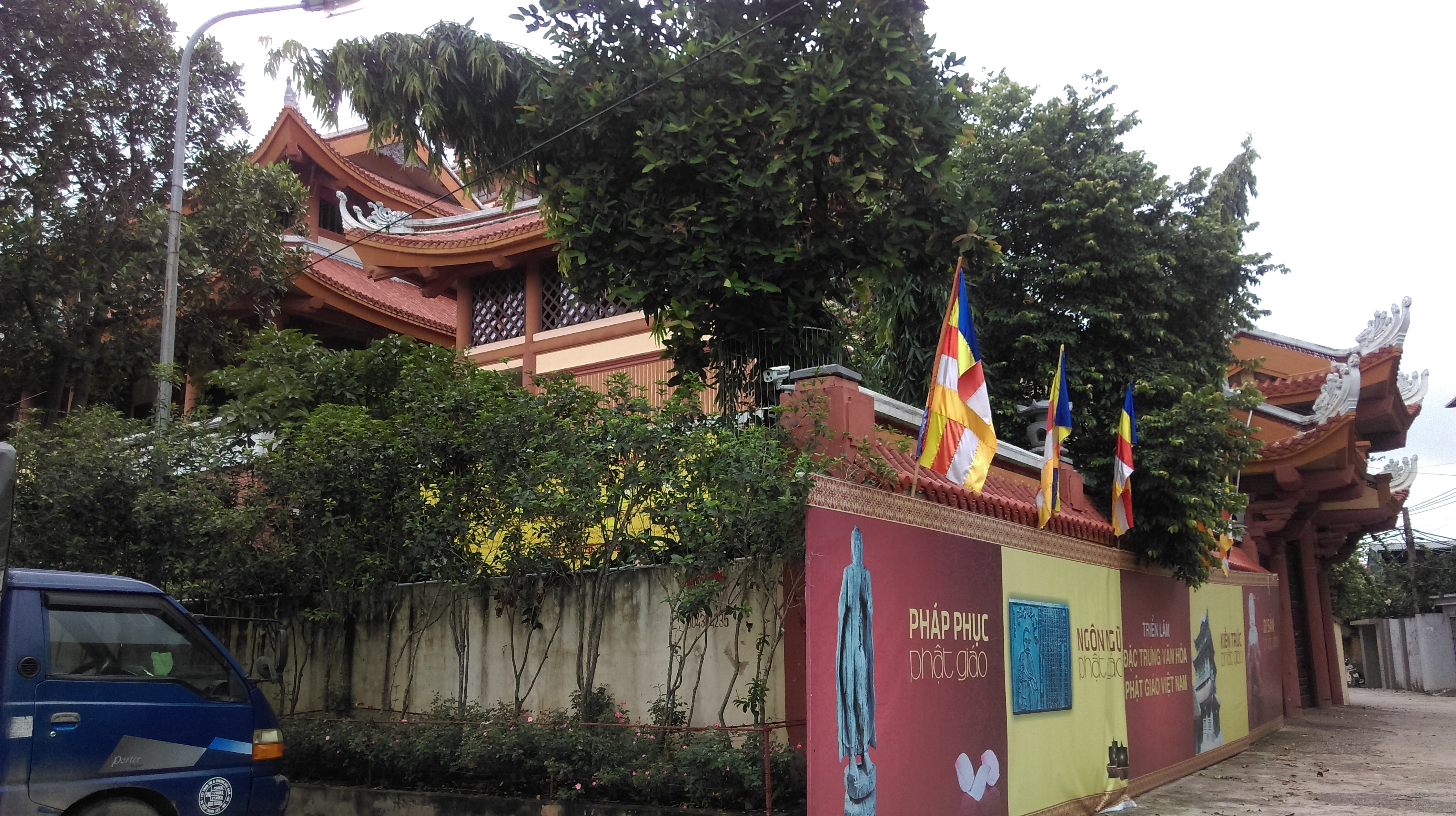
Overview & history
Yên Phú Pagoda, located in Ngọc Hồi commune, Hà Nội, is the oldest pagoda in Vietnam, founded in the early years of the Common Era.
History
Yên Phú Pagoda is also known as Thanh Vân Ancient Pagoda (Thanh Vân Cổ Tự). According to legend, the pagoda dates back to the time of the Trưng Sisters and was presided over by Abbess Phương Dung, daughter of Trương Công and Phùng Thị Huệ.
At the age of 16, Phương Dung was deeply devoted to the Dharma, resolutely refused marriage, and became a nun at Thanh Vân Ancient Pagoda.
One day, at the hour of Mùi (around 1–3 pm), while bathing in the Kim Ngưu River, she saw an auspicious cloud descend and wrap around her body. Frightened, she hurried back to the pagoda.
That night, she dreamed of a general dressed in brocade and adorned with jade, who told her he was a water deity and that, because the village was blessed, two water deities would be reincarnated there, so she should not worry. The next day, passing by a miếu (small temple), she saw two very large eggs and brought them back to the pagoda. Thunder roared, and the two eggs hatched into two beings with human heads and snake bodies. She realised they were water deities; that day was the 22nd of the 4th lunar month, year Quý Tỵ.
Villagers flocked to see, and the two water deities told them they were the water spirits Trung Vũ and Đài Liệu, whom the village had long worshipped, and that they had now descended to help the people and the country.
Trung Vũ and Đài Liệu were raised by Phương Dung, excelling in both literature and martial arts. In a year of drought, the two summoned rain to help the people; in a year of flooding, when villagers prayed for help, they transformed into a section of dyke to hold back the flood. Unaware, the villagers accidentally cut off part of a tail while digging, hence the names Ông Cụt (the Short One) and Ông Dài (the Long One).
When Tô Định invaded, Phương Dung and her two adopted children joined the fight and were later granted honours by Queen Trưng Nữ Vương before returning to their homeland. On their return by dragon boat, clouds descended, heavy rain and strong winds arose; afterwards, Phương Dung, dressed in brocade, rode a flying chariot to heaven, while her two adopted children flew up and then plunged straight into the river. That day was the 7th of the 11th lunar month. Trưng Vương decreed that the villagers worship all three figures.
In the Thiên Phúc era of the Lê Đại Hành reign, the following titles were conferred:
Phương Dung: Empress Dowager Tuệ Tĩnh Phu Nhân, Chaste and Virtuous, Exemplary, Dignified, and Prudent Empress Dowager.
Trung Vũ and Đài Liệu: Local Tutelary Spirits, Miraculous Protectors of the Realm, Guardians of the Nation and People, Auspicious and Mighty, Supporters of the Sacred, Manifesting Miracles, Great Kings.
During the resistance against the Qing invaders, Quang Trung chose this place as the assembly point for troops preparing for the Battle of Ngọc Hồi.
From 1946 to 1954, the pagoda served as a shelter for revolutionary cadres.
The pagoda still preserves many artefacts of historical and archaeological value.
The original pagoda was located in the Lăng field, but after severe damage, villagers moved it to the Miếu garden area as it is today. The field still contains the tomb of Abbess Phương Dung.
In addition to worshipping the Buddhist Triple Gem, the pagoda has long venerated Phương Dung. During 1947–1954, when the đình (communal house) was destroyed, villagers brought the ancestral tablets of the village tutelary deity to be worshipped here. After the most recent restoration, completed in 2011, the pagoda also worships Quang Trung – Nguyễn Huệ.
The pagoda festival takes place from the 5th to the 7th day of the 11th lunar month.
Recorded restoration periods: 1901, 1930, 2009.
Artefacts
Thần Phả (Genealogical Record) with the Hồng Phúc era title, 1572: records the legend of Phương Dung and the two water deities.
23 imperial decrees from the Lê Trung Hưng and Nguyễn dynasties: the earliest dated 1647, the latest 1924.
3 steles dated: 1902, 1922, 1929.
First-class Resistance Medal, 1954.
Certificate of National Historic and Cultural Site, 1988.
Succession of Abbots
Founding Nun Master Phương Dung: Trưng Sisters era
Elder Monk Thích Đàm Nghi: resistance period 1945
Venerable Thích Thọ Lạc (current abbot): born 1963 in Kim Sơn, Ninh Bình, ordained at Đồng Đắc Pagoda under the late First Supreme Patriarch Thích Đức Nhuận (1897–1993) (Tào Động lineage, Hòe Nhai, Quảng Bá, Đồng Đắc Kim Liên pagodas), received full ordination in 1983, promoted to Venerable in 2007, currently: Standing Member of the Executive Council of the Central Vietnam Buddhist Sangha, Head of the Vietnam Buddhist Sangha in Ninh Bình province, Head of the Central Buddhist Culture Committee, Deputy Head of the Vietnam Buddhist Sangha in Nghệ An province, abbot of Đồng Đắc Pagoda, abbot of Yên Phú Pagoda, abbot of Đại Tuệ Pagoda.
Venerable Thích Trí Như: current deputy abbot, chief disciple of Abbot Thích Thọ Lạc, born 1969, promoted to Venerable in 2015, currently Deputy Principal of the Hanoi Intermediate School of Buddhist Studies, abbot of Quỳnh Đô Pagoda – Thanh Trì, deputy abbot of Yên Phú Pagoda.
Photos
📷 Contribute photosVisiting tips
- Dress modestly; remove hats and keep quiet inside the main hall.
- Incense, flowers and offerings are usually sold right outside the gate; light an odd number of sticks (1 or 3).
- Most pagodas open from early morning to evening and are free to enter (some major sites charge a small scenic fee).
- Full-moon days, the 1st of the lunar month and Tet are very crowded; visit on weekday mornings for a quiet experience.
- Ask permission before photographing inside shrines; do not touch statues or altar objects.
Read more & references
Useful links to learn more before your visit:
Location
Coordinates: 21.04788, 105.83684
🧭 Directions on Google MapsReferences
Other pagodas in Hà Nội


